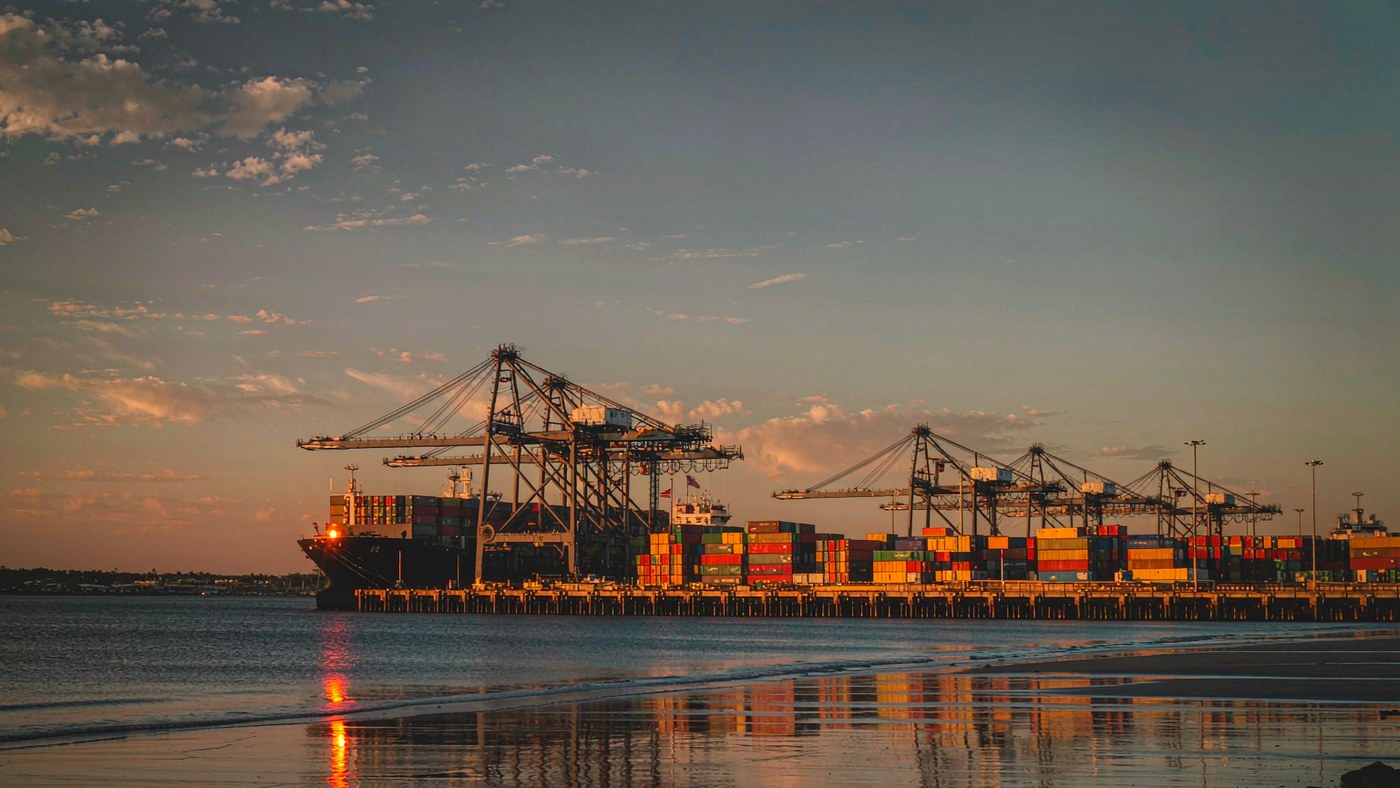
The United States is the largest single market for outdoor furniture — and the one where the gap between factory price and retail price is widest. Since 2025 that gap has been rewritten several times — tariffs added, struck down, expired, re-imposed and re-scoped — and the question every wholesale buyer now asks first is not "what is your best price?" but "what does this cost landed?" This guide answers it with the rates in force as of October 2026: which tariff lines teak and aluminium furniture fall under, what stacks on top of them, and how to compute the figure your retail price has to carry before the first container sails.
Treat the rates here as an October 2026 snapshot and confirm them with a licensed broker — the point of this guide is the mechanics, which stay stable while the numbers move.
Why the US landed-cost question changed
Four policy moves in eighteen months turned furniture importing from arithmetic into strategy. The Section 301 tariffs of 2018–2019 put a 25% duty on virtually all Chinese-origin goods. In 2025, IEEPA-based fentanyl and reciprocal tariffs stacked a further 20% on top — until the Supreme Court struck the IEEPA programme down on 20 February 2026, opening a refund channel for duties already paid. A 10% Section 122 surcharge applied through 23 July 2026, then expired. And on 24 July 2026 a new Section 301 round took over, adding 12.5% without crediting against the base rate.
Underneath, the Section 232 steel-and-aluminium programme has been re-scoping furniture itself: an August 2025 expansion swept metal furniture into the 50% regime, an April 2026 proclamation removed the main Chapter 94 metal-furniture lines, and a June 2026 CBP notice put two statistical lines back in. The mechanics stay stable; the number does not.
Step one: classification, not negotiation

Duty follows the HTS code, and the code follows construction. Outdoor furniture enters under Chapter 94, and the line your product lands on decides everything that follows — classification is the first negotiation, not the paperwork at the end:
| What you are buying | Typical HTS territory | Base MFN rate |
|---|---|---|
| Teak or wooden tables and frames, non-upholstered | 9403.60 "other wooden furniture" (teak line 9403.60.80.89) | Free |
| Wooden-frame seats, non-upholstered | 9401.69 (teak seats 9401.69.40.11) | Free |
| Upholstered seats with wooden frames | 9401.61 | Free to low single digits, by line |
| Aluminium tables and frames | 9403.20 "other metal furniture" | Free |
| Metal-frame seats | 9401.71 (upholstered) / 9401.79 (not upholstered) | Free |
Two chairs that look identical on a drawing can carry different duty because one is upholstered and one is not — the cushion is a tariff event. So the first question for any factory quoting US business is not the price but the line: which ten-digit HTS code do you ship these models under, and which Chapter 99 overlay headings apply? A factory that ships to the US regularly answers in a day.
The 2026 duty stack on Chinese outdoor furniture

For China-origin outdoor furniture entering the US in October 2026, the stack on most Chapter 94 lines:
| Layer | Rate | Status as of October 2026 |
|---|---|---|
| Base MFN duty (Chapter 94) | 0% on most garden and patio lines | Most outdoor furniture enters duty-free at base |
| Section 301, List-era (HTS 9903.88.03) | +25% | In force since 2018–2019; not creditable against base |
| New Section 301 round | +12.5% | Effective 24 July 2026; replaced the expired 10% Section 122 surcharge; stacks on the 25% |
| IEEPA fentanyl and reciprocal tariffs | 0% | Struck down by the Supreme Court on 20 February 2026 and no longer collected; the layer already paid is refundable through CBP's CAPE process |
| Merchandise Processing Fee | 0.3464% of customs value | Minimum $31.67, maximum $614.35 per entry |
| Harbour Maintenance Fee | 0.125% | Ocean shipments only |
The headline number for a teak dining set or an aluminium sofa set from Foshan is therefore 37.5% ad valorem on the customs value, plus the two ad-valorem fees. Two details matter more than the headline. Only the IEEPA layer paid between early 2025 and February 2026 is refundable, and only by the importer of record or the broker who filed the entry — Sections 301 and 232 are not refundable. And the customs value is the transaction value (the FOB price on the invoice), not CIF: freight inflates landed cost but not the duty base.
Teak versus aluminium: which lines carry extra exposure
Teak and aluminium are not taxed alike, and the difference is the most useful thing a 2026 buyer can know. Teak furniture — the bulk of a classic patio programme — sits outside the Section 232 programme entirely and pays the 37.5% stack. Upholstered wooden seating is the exception that hurts: a 25% Section 232 duty since October 2025, rising to 30% on 1 January 2027. Aluminium is the category to watch — its Section 232 status changed twice inside one quarter.
| Your line | Total duty, October 2026 | What to verify |
|---|---|---|
| Teak tables and frames (9403.60.80.89) | 37.5% | Stable |
| Teak seats, non-upholstered (9401.69.40.11) | 37.5% | Stable |
| Upholstered wooden seating (9401.61) | 62.5%+ today, 67.5%+ from January 2027 | Whether the programme includes upholstered wooden pieces at all |
| Aluminium furniture (9403.20.00) | 37.5% if the line is out of scope; 87.5%+ if in | The ten-digit statistical line — 9403.20.0075 and .0082 returned to Section 232 scope on 8 June 2026 |
| Metal-frame seating (9401.71 / 9401.79) | 37.5% | Removed from scope 6 April 2026; confirm the list |
Read the aluminium row twice: a programme quoted at 37.5% and entered at 87.5% is a 50-point margin event, decided by a ten-digit code. Get the line in writing from the factory and confirmed by your broker before you price the retail — our finish specification guide covers the material questions.
Worked example: one 40HQ of teak dining sets, landed in Los Angeles
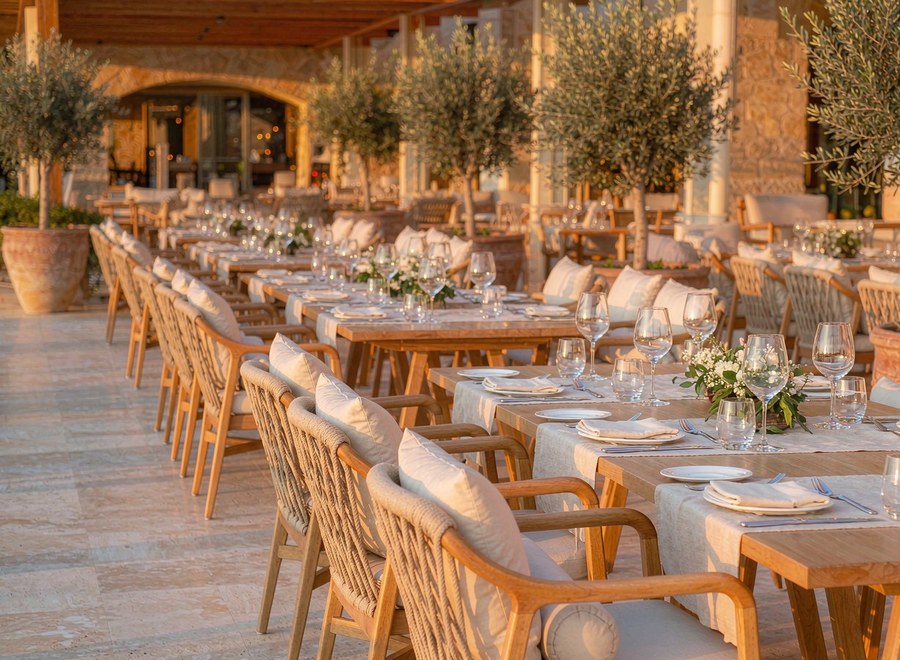
Here is the arithmetic on a representative container — illustrative figures, stable structure.
| Line item | Amount | Note |
|---|---|---|
| Customs value (FOB Shenzhen) | $18,000 | Duty is assessed on this, not on CIF |
| Section 301 stack (25% + 12.5%) | $6,750 | 37.5% of customs value |
| MPF | $62 | 0.3464%, above the $31.67 floor |
| HMF | $23 | 0.125%, ocean leg |
| Ocean freight and insurance | $4,200 | West Coast is typically the cheaper lane |
| Customs broker and entry | $250 | Formal entry, bond in place |
| Drayage to warehouse | $1,100 | Port to your distribution centre |
| Landed total | $30,385 | +68.8% over FOB; duty and fees alone are 37.9% |
Two footnotes show how much the calendar matters: the same container entering before 24 July 2026 carried another $1,800 of Section 122 duty; during the IEEPA window, a further 20% — now refundable if the importer of record files. Duty and fees of 37.9% on FOB sit inside your retail price before a dollar of freight — which is why classification and cube efficiency (see our container loading guide and teak dining set guide) are commercial decisions, not operational ones.
Beyond the duty line: fees, entry and the documents that bite
Duty is the number everyone quotes; the compliance regime around it is where shipments get held:
- Formal entry. Shipments above $2,500 file CBP Form 3461 at entry and the 7501 entry summary within ten working days. Repeat importers carry a continuous bond — roughly 10% of the prior year's duties, minimum $50,000.
- ISF 10+2. Lodged at least 24 hours before loading at the origin port, built from the factory's booking and carton data — agree in writing who files it.
- Lacey Act declaration (PPQ 505). Plant-based products, including teak, require genus, species and country-of-harvest declarations, now filed electronically. Ask for a sample with your quotation; a factory that ships teak to the US produces one routinely.
- ISPM-15. Wood packaging must be heat-treated or fumigated and stamped; non-compliant crates mean re-export at your cost. Ask for photos of marked packaging before loading.
- Product-level rules. TSCA Title VI covers composite wood; California's TB 117-2013 (16 CFR Part 1640) sets flammability labelling for upholstered furniture; every piece and retail package needs conspicuous English country-of-origin marking.
- AD/CVD. No current antidumping or countervailing order covers garden and patio furniture — the wooden-bedroom-furniture order does not reach it — but check the ITC list per category: the orders that do exist run to triple digits.
Origin integrity: the enforcement regime that changed the risk calculus
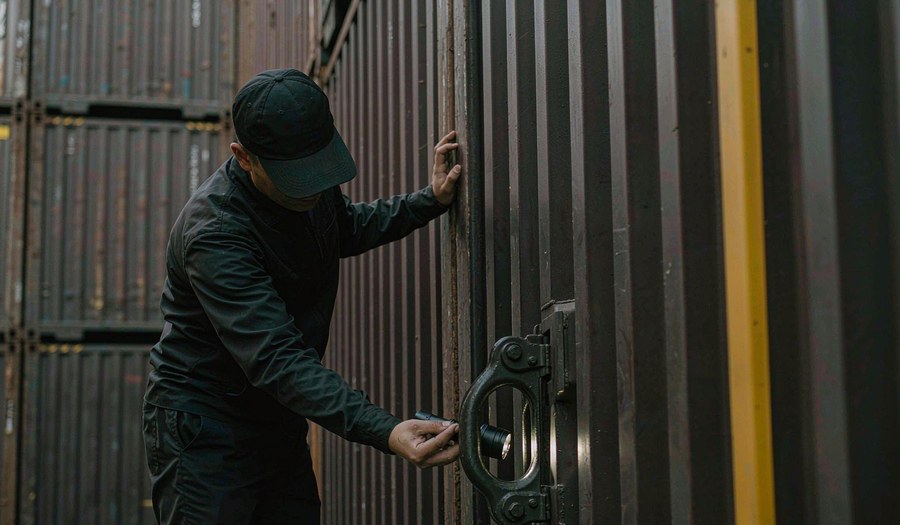
The underrated story of 2026 is the enforcement, not the rates. A DOJ–DHS Trade Fraud Task Force formed in August 2025 recovered more than a billion dollars in its first year, CBP has assessed over $2.1 billion in commercial penalties in fiscal 2026, and the False Claims Act lets any relator — a former employee, a competitor, a freight forwarder — claim 15–30% of a recovery.
For a factory-direct buyer the rule is simple: buy the origin you are paying for. CBP applies a substantial-transformation test, so furniture assembled in a third country from Chinese components can still be Chinese-origin — a rerouting invoice that saves 12.5% on paper can cost multiples of that in penalties, and the exposure reaches the supplier as well as the importer. A factory that ships honestly from Foshan, with real teak documentation and correct codes, is a compliance asset.
What to ask a factory before you quote US retail
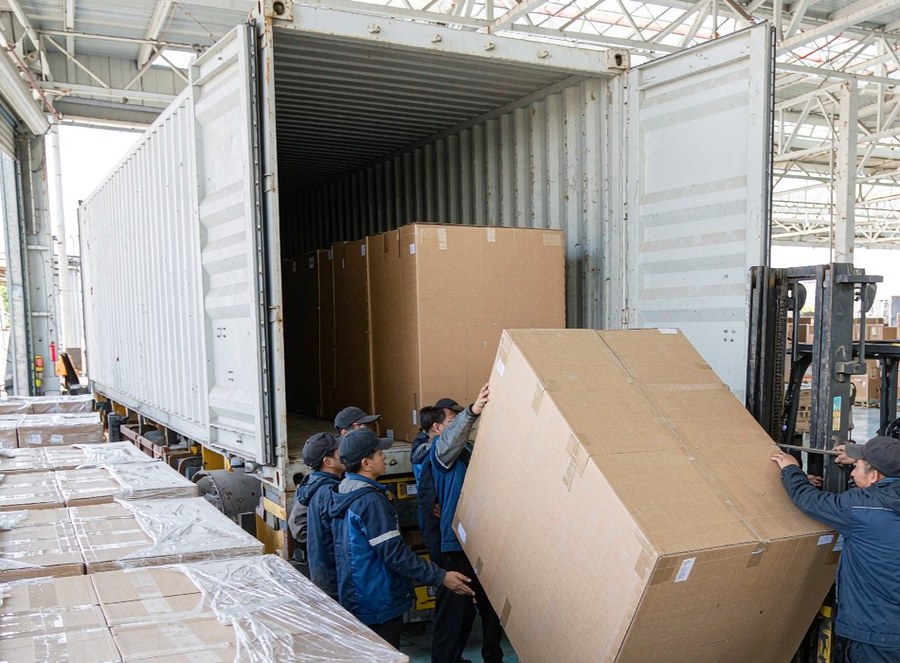
- Which ten-digit HTS line do you ship my models under, and which Chapter 99 overlay headings apply?
- Do you quote FOB, CIF or DDP — and who is the importer of record on each structure?
- Can you supply the Lacey Act declaration (genus, species, harvest country) for the teak, and photos of ISPM-15-marked packaging?
- How do you track Section 232 line changes for aluminium furniture — the April and June 2026 moves changed the duty on identical products?
- Can you support a CAPE refund claim for IEEPA duties paid on 2025 shipments, with the entry records to prove it?
Pair these with the sample evaluation checklist and the MOQ guide and the programme is specified before a deposit moves. A factory that answers all five in writing has cleared US customs before; one that deflects to "our forwarder handles that" has not.
The buyer's checklist
- Ten-digit HTS line and Chapter 99 headings confirmed in writing by factory and broker
- Duty stack priced at the current rate — 37.5% on China-origin Chapter 94 lines — with the 1 January 2027 upholstered-wood step-up in the budget
- ISF filing responsibility, bond structure and importer-of-record named in the contract
- Lacey Act, ISPM-15, TSCA and TB 117-2013 obligations assigned before production starts
- Origin integrity confirmed — no transshipment pricing dressed up as a saving
The landed number is knowable to the dollar before the container sails, and the wholesaler who does the math first wins the account. Send us the models, the quantities and the destination port and we will come back with the loading plan and a duty-aware quotation structure — we are a factory, not customs brokers, so pair our quotes with a licensed broker for the entry itself.