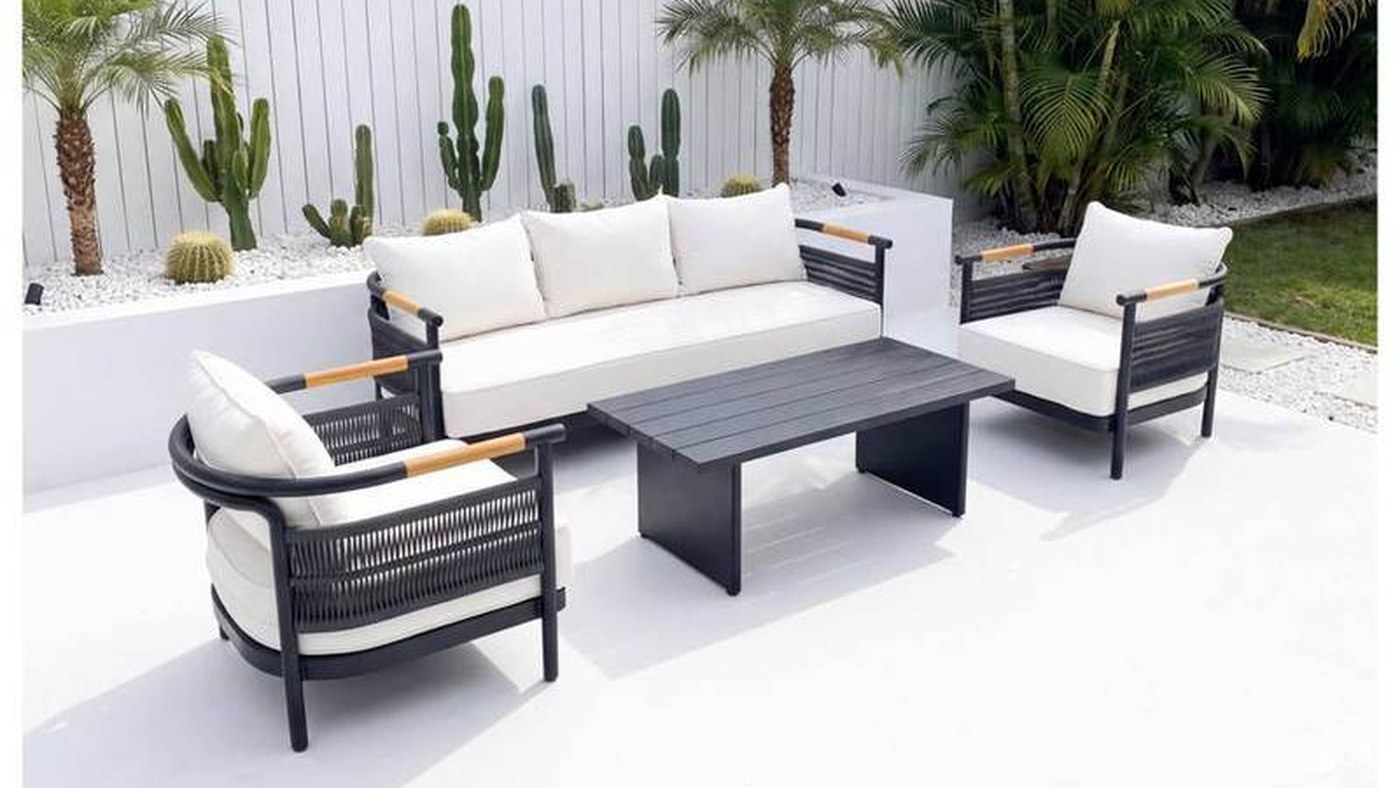
Canada is an easy market to overlook. It sits beside the United States, uses the same Harmonized System as most trading nations, and its furniture tariffs are among the lowest in the developed world. For a buyer importing teak dining sets or aluminium sofa sets from Foshan, that sounds like an open door: most furniture enters at zero duty. But zero duty is not the same as zero cost at the border. One classification decision, one metal surtax and one packaging rule decide whether a container clears in a day or sits under examination for a week. This guide sets out the Canada outdoor furniture import duty picture for contract and wholesale buyers, with the exact questions to settle before you release a purchase order.
The duty baseline: most furniture enters free
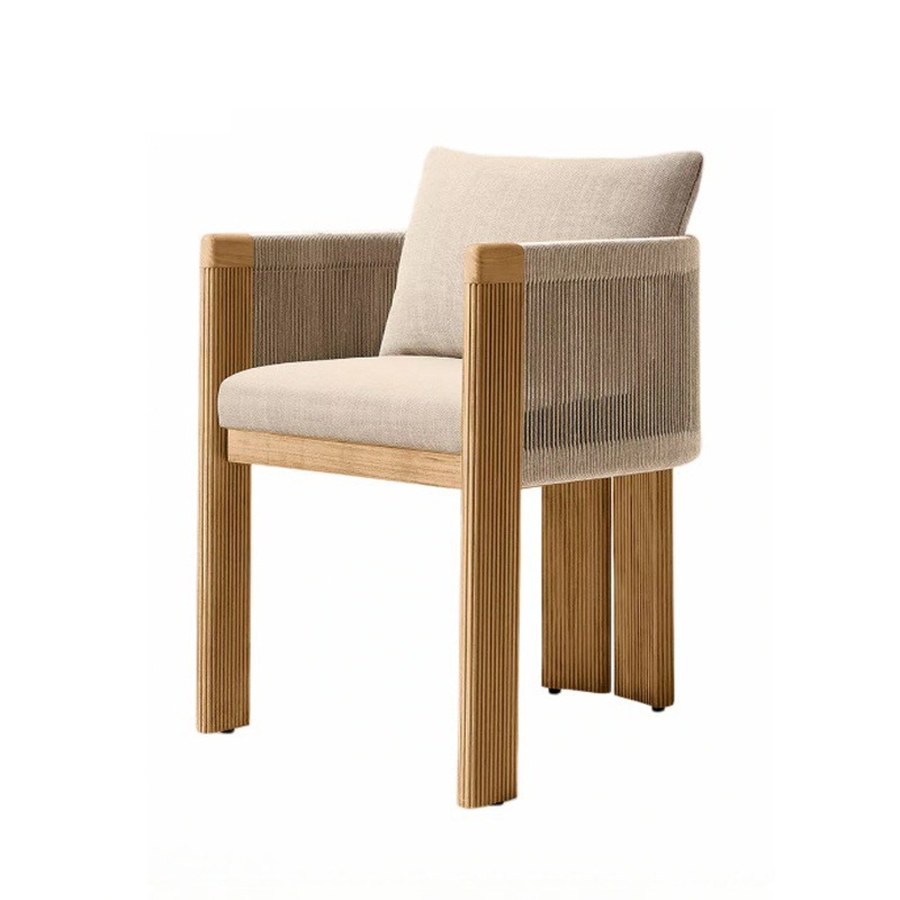
Canada has no free trade agreement with China, so Chinese-origin goods pay Most Favoured Nation (MFN) rates. The good news for anyone importing outdoor furniture to Canada is that Chapter 94 MFN rates are low. Wooden furniture in 9403.30–9403.90 — dining tables, benches, planters — is generally duty-free. Metal furniture in 9403.20, including powder-coated aluminium frames, is also free, as is rattan wicker and bamboo furniture in 9403.83. The exception is upholstered seating: seats with wooden frames in 9401.61 and 9401.69 carry roughly 0–9.5% depending on construction, so a cushioned teak sofa set is not automatically rated the same as a teak dining chair. The subheading, not the broad chapter, sets the rate.
| Category | HS heading | MFN from China | Buyer note |
|---|---|---|---|
| Wooden tables, benches, case goods | 9403.30–9403.90 | Free | Teak dining set and garden bench lines usually sit here |
| Metal furniture | 9403.20 | Free | Aluminium frames; check surtax separately |
| Rattan, wicker, bamboo | 9403.83 | Free | PE rattan wicker and natural fibre both reviewed by construction |
| Upholstered seats with wooden frames | 9401.61 / 9401.69 | 0–9.5% | Confirm the precise Canadian 10-digit line |
China to Canada furniture duty is therefore modest on paper. Treat the table as a map, not a quotation: rates move, and the customs broker's written classification is the number your landed cost should use.
Classify before you quote: the 10-digit code
The six-digit HS number is international; Canada adds four digits. Brokers clear on the 10-digit tariff item, and a Canada furniture HS code 9403 line can still split several ways once frame material and construction are known. A sun lounger with a welded aluminium frame and textilene sling is not classified like the same-looking lounger with a rope-woven seat; a daybed with a cushion may move toward a seating heading. Give your broker a spec sheet — material, construction, whether the piece is fully assembled — not a catalogue photo. If a classification is genuinely ambiguous, ask the CBSA for an advance ruling. It is binding, takes roughly 60–90 days, and settles the rate for that product. Misclassification is not a harmless error: CBSA can reassess duty for up to four years, with interest and penalties.
Three charges that move your landed cost
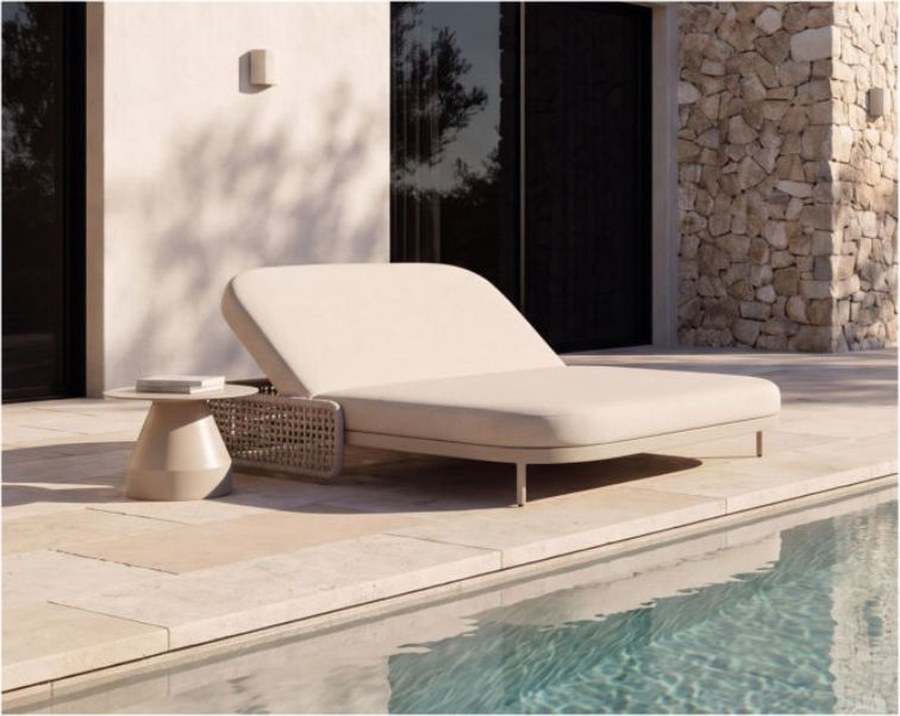
Duty is only one line on the bill. Three items decide the real number:
- MFN duty — zero on most Chapter 94 furniture, up to roughly 9.5% on certain upholstered seating lines.
- Chinese steel and aluminium surtax — a 25% surtax applies to Canadian imports of steel and aluminium with Chinese-origin metal content. This is the item that surprises aluminium furniture buyers: an aluminium frame does not fall outside the measure simply because the finished article is furniture. Ask your broker to confirm whether your specific 10-digit line and its metal content are caught; one surtax applies even if several orders list the goods.
- GST / HST — 5% federal GST applies everywhere; participating provinces charge HST instead. It is calculated on the duty-paid value: goods plus freight, insurance and duty. GST/HST-registered importers normally recover it as an input tax credit, but at clearance it is still cash out the door.
| Destination province | Tax at import | Rate |
|---|---|---|
| Alberta, BC, Saskatchewan, Manitoba, territories | GST | 5% |
| Ontario | HST | 13% |
| Nova Scotia, New Brunswick, PEI, Newfoundland & Labrador | HST | 15% |
| Quebec | GST + QST | 5% + 9.975% |
Provincial tax follows the province of delivery, not the port of arrival. Budget duty and tax together — for many furniture shipments the tax line is larger than the duty line.
ISPM-15: the wooden packaging rule
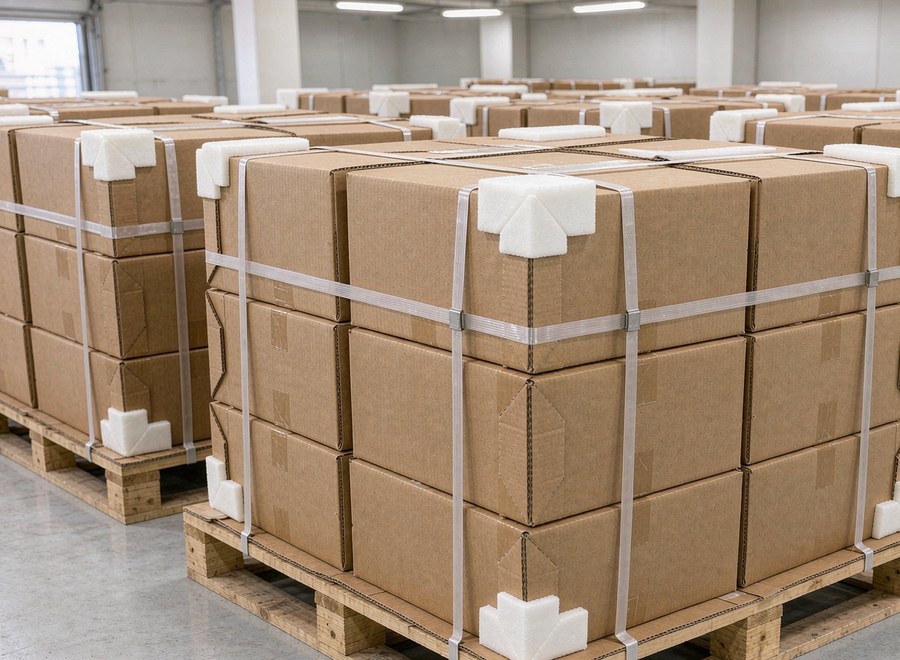
CBSA furniture import requirements do not stop at the tariff. Wood packaging material — pallets, crates, dunnage, spacers — is regulated separately by the Canadian Food Inspection Agency under directive D-98-08 (11th edition, effective 1 April 2026). ISPM 15 wood packaging Canada shipments must be made from debarked wood, heat-treated to a minimum 56°C core temperature for at least 30 minutes (or another approved treatment), and carry a legible, permanent IPPC mark: the IPPC symbol, country code CN, a producer or treatment facility number, and the treatment code HT. Marks must be stamped or branded, not hand-drawn or stuck on as a tag.
One point catches almost every first-time China shipper: a phytosanitary certificate is not accepted in place of the mark for wood packaging originating in China. Packaging made wholly from processed wood — plywood, OSB, particleboard, veneer — is exempt, but a plywood crate with solid-wood runners is not. If CFIA finds non-compliant wood, the shipment is ordered removed: treatment, re-export or destruction, at the importer's cost, typically two to four working days of delay. Before loading, ask your factory to photograph the stamps on the actual pallets — the cheapest insurance in the whole shipment.
- List every solid-wood pallet, crate, skid, brace and loose dunnage piece in the packing plan.
- Confirm the treatment facility and ask for stamped-pallet photos before the container is sealed.
- Check that marks appear on at least two opposite sides and stay legible after handling.
- Declare non-commodity wood in containerised cargo with the required documentation.
The clearance stack: BN, CARM and ACI eManifest
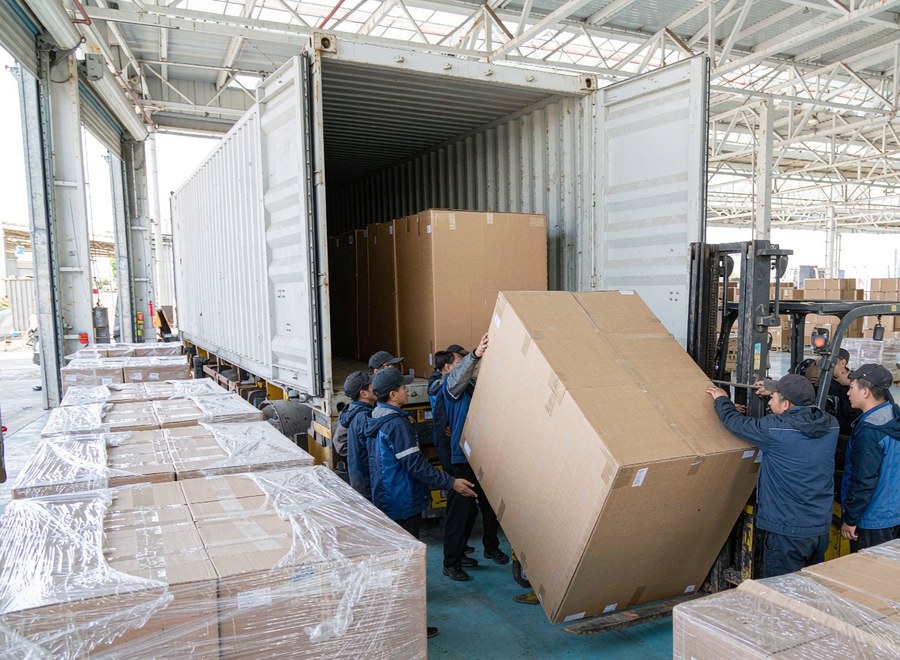
Before cargo moves, the importer needs a Business Number with an active import-export account from the Canada Revenue Agency. Since October 2024 the CBSA Assessment and Revenue Management (CARM) platform has been the system of record: every commercial importer needs a CARM Client Portal account and financial security covering estimated duties and taxes, and the Commercial Accounting Declaration has replaced the old B3 entry form. A customs broker can file on your behalf, but the importer stays legally responsible for accuracy. Carriers also transmit Advance Commercial Information before arrival — ocean freight typically 24 to 96 hours ahead depending on cargo and voyage. Register at least two weeks before the first container arrives; a missing CARM account is a common reason a shipment sits at the port while paperwork catches up.
A worked example: one container to Ontario
Numbers below are illustrative only — verify every rate and value with your broker before quoting.
| Line item | Amount | Note |
|---|---|---|
| Goods value (FOB, USD) | $12,000 | Mixed teak and aluminium outdoor furniture |
| Ocean freight + insurance | $1,380 | Added to the value for duty |
| Duty-paid value (CAD, approx.) | $19,500 | Converted and built per CBSA valuation rules |
| MFN duty at 9.5% | ~$1,853 | Illustrative seating line; most furniture lines are 0% |
| Ontario HST at 13% | ~$2,776 | Applied to value plus duty |
| Total duty + tax | ~$4,629 | Roughly 22% of goods value |
That final figure is what your customer's shelf price actually carries. Under DDP the seller absorbs it in the unit price; under DAP the consignee handles it at clearance. Decide who is importer of record in the contract, because that party owns the compliance risk.
Questions to settle before the PO
- What is the exact 10-digit Canadian tariff item for each SKU, confirmed in writing by the broker?
- Does any line attract the 25% Chinese steel/aluminium surtax, and on what declared metal content?
- Who is importer of record, and is their BN and CARM account active with enough financial security?
- Are all wood pallets, crates and dunnage IPPC-stamped, and can the factory photograph the stamps before loading?
- Is freight to the final destination inside the duty-paid value, and who pays HST at clearance?
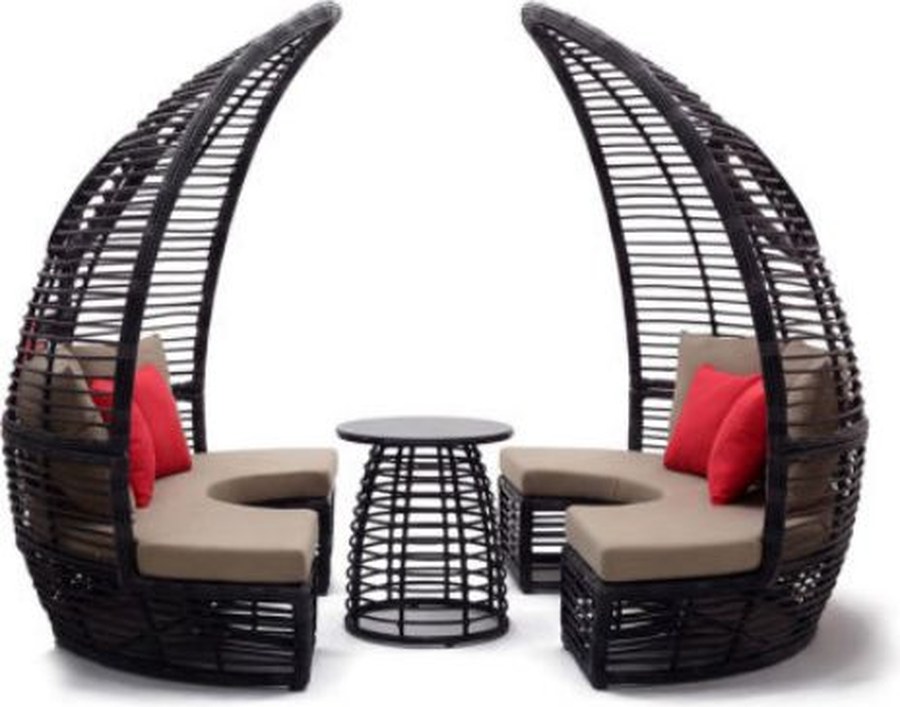
- Do cushions on a teak sofa set push the piece into a different seating heading?
- Is the furniture delivered fully assembled with welded one-piece frames, and how does that change cube per unit?
Canada rewards buyers who do classification early. The tariff is mostly friendly; the friction sits in the surtax check, the HST cash flow and the packaging stamp. Ask these questions before the PO, not at the port. At PatioHue, our teak and aluminium ranges leave the Foshan factory fully assembled and ready to use, with packing lists grouped by SKU and pallet stamps checked before loading — the small disciplines that keep a Canada-bound container moving.