Outdoor Furniture Import Australia: Duty, Biosecurity and Landed Cost
Australia looks like an easy market from a Foshan quotation: English-speaking, high spending on outdoor living, and a China–Australia free trade agreement that has removed tariffs on most furniture. The surprises are never the headline duty rate. They are the 10% GST on the landed value, a border force declaration above AUD 1,000, timber biosecurity screening, and a due diligence obligation on wooden goods that many first-time importers discover only when a container is held. This guide is for distributors, hotel fit-out buyers and resort procurement teams who import outdoor furniture from China to Australia and need the paperwork right before the vessel sails.
Duty: what ChAFTA removes and what it does not
Most furniture sits in Chapter 94 of the Customs Tariff. The general (MFN) rate on the lines that matter to outdoor buyers — 9401.61 upholstered seats with wooden frames, 9403.60 other wooden furniture and 9403.20 other metal furniture — is typically 5%, while seats and furniture of rattan or bamboo are generally free. Under ChAFTA, Chinese-origin furniture has entered at 0% since the agreement's tariff elimination completed on 1 January 2019, so the difference between a smooth clearance and an unexpected bill is one document.
That document is a ChAFTA certificate of origin, or an accepted declaration of origin, issued per shipment and normally valid for 12 months. Preference is not automatic: without it the broker applies the general rate, and the duty is not refundable simply because the goods really were made in China. If the certificate arrives after clearance, the Australian Border Force does provide a refund pathway for Chinese-origin goods, but treating that as a fallback is an avoidable cash-flow problem. Put the certificate in the purchase order as a condition of the final payment, and ask the manufacturer to name the issuing body and lead time at order confirmation.
| Chapter 94 line | Typical product | General rate | ChAFTA with valid origin |
|---|---|---|---|
| 9401.61 | Upholstered sofa set, wooden frame | 5% | Free |
| 9403.60 | Teak dining set, coffee table, bench | 5% | Free |
| 9403.20 | Aluminium sun lounger, metal dining set | 5% | Free |
| 9401.53 / 9403.82–83 | Rattan wicker or bamboo seating and furniture | Free | Free |
GST, the import declaration and the landed cost stack
GST is 10% of the value of the taxable importation, which is the customs value plus international freight and insurance plus any duty payable. It is not 10% of the invoice alone. A GST-registered importer can usually claim it back as an input tax credit on the next Business Activity Statement, and eligible importers can apply to the ATO for the Deferred GST scheme so it is reported rather than paid at the border — but customs duty is still payable before release. Consignments above AUD 1,000 need a full import declaration and attract an import processing charge; a commercial container of patio furniture is always in that territory.
Build the stack in this order: FOB value, ocean freight and insurance, customs duty (0% with ChAFTA, 5% without), then GST on the sum, then the processing charge and broker, port and delivery fees. Ask your broker to model both the ChAFTA and the general-rate case side by side — on a full 40HQ the gap is large enough to pay for a compliance clerk. Note that product safety obligations sit beside the tax stack: Australian Consumer Law treats the importer as the supplier, and while ordinary outdoor furniture has no dedicated mandatory standard, cots (AS/NZS 2172), bunk beds (AS/NZS 4220) and bean bags do. Never let a factory's test report substitute for your own classification check.
Biosecurity: BICON, timber and ISPM 15 timber packaging
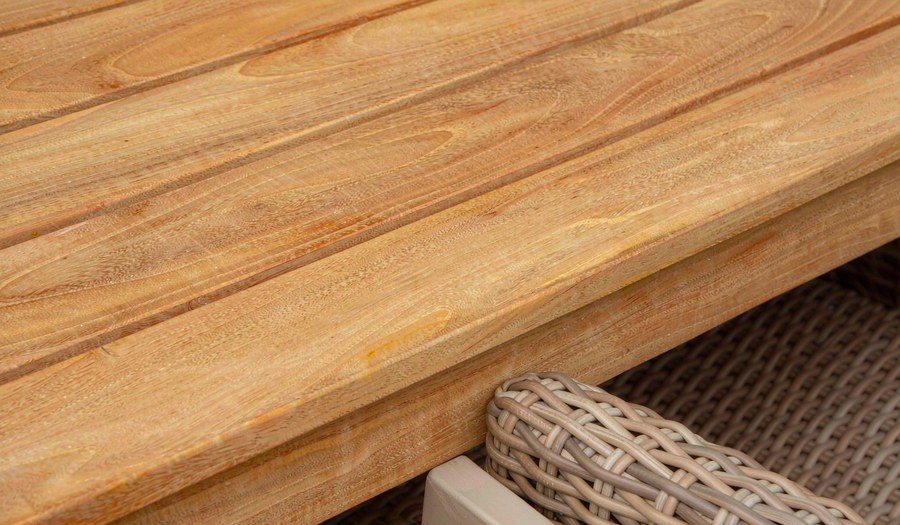
The Department of Agriculture, Fisheries and Forestry (DAFF) screens timber far more aggressively than the duty side of the process. Australian biosecurity import conditions are published case by case in the BICON database; enter each six-digit HS code and give the generated condition sheet to your supplier. Solid timber, bamboo and rattan must be free of bark, live insects, borer holes and soil contamination, and commonly need treatment evidence — heat treatment to a 56°C core for 30 minutes, or an approved fumigation, with a certificate. Fully kiln-dried, machined and finished furniture is lower risk than raw or live-edge pieces, but the documents still have to exist.
ISPM 15 timber packaging is a separate requirement and a frequent trap: every solid-wood pallet, crate and dunnage must carry the IPPC treatment mark stamped on the wood, and the container packer must complete a packing declaration for both FCL and LCL shipments. A compliant pallet does not make the furniture inside it compliant — the product is assessed on its own. Highly processed plywood and reconstituted board are generally unrestricted if clean and bark-free. If a consignment fails, DAFF may treat, re-export or destroy it at the importer's cost, so make "no bark, no insect damage, no soil" a pre-shipment inspection line rather than a port-side surprise.
The BMSB season and illegal logging due diligence
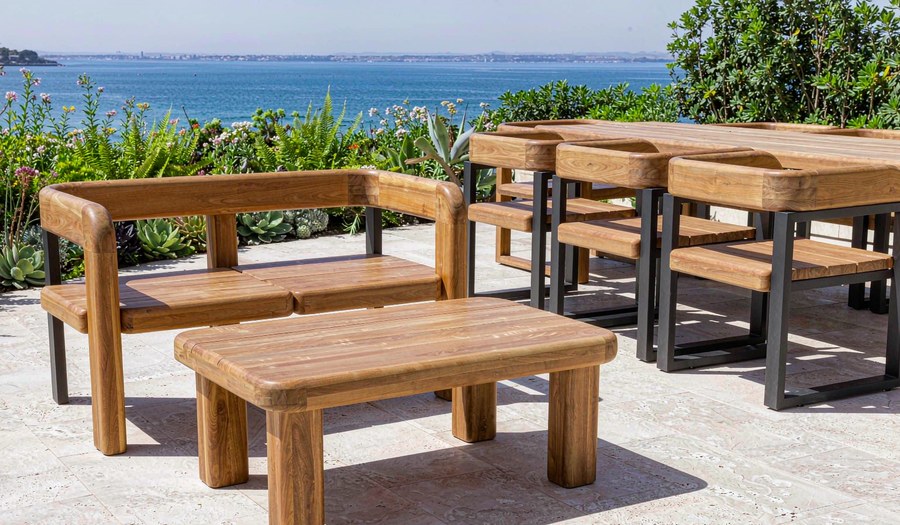
Two calendar-driven rules catch importers who ship on a European schedule. The brown marmorated stink bug season runs from 1 September to 30 April inclusive, measured by the shipped-on-board date on the ocean bill of lading. China is currently treated as an emerging risk country, meaning Chapter 94 goods can be selected for random onshore inspection; DAFF reviews the country list each season, so ask the broker to confirm the current settings before every booking and allow a few extra days in the delivery plan. This matters because Australia's retail season peaks from spring into summer — the opposite of Europe and the USA — so a two-week border hold in October can cost a whole selling window.
Second, the Illegal Logging Prohibition Act 2012 and the Illegal Logging Prohibition Rules 2024, in force since 3 March 2025, list most Chapter 94 furniture as regulated timber products. Importers must operate a written illegal logging due diligence system: identify the timber species and harvest country, assess the risk of illegal harvesting, reduce that risk, and keep the records. FSC or PEFC certified timber follows a simpler assessment pathway, and consignments of regulated timber with a combined customs value of AUD 1,000 or less are exempt. Ask the factory for species and harvest origin on the quotation itself — for teak, this is the same data you already need for EUDR, so one supplier declaration can serve several markets.
Freight, cube and the southern hemisphere calendar
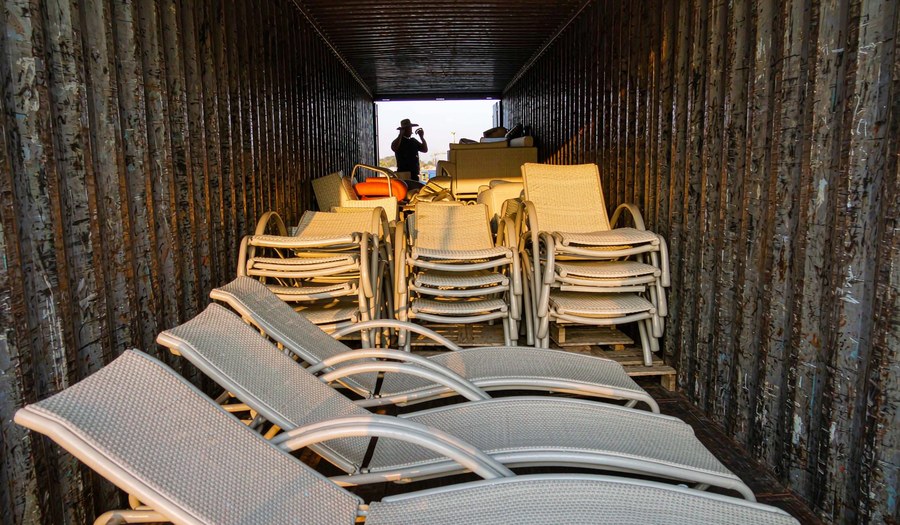
Outdoor furniture is bulky, so freight is a cube problem before it is a weight problem. A 20GP gives roughly 28 CBM of usable space and a 40HQ about 68 CBM, and fully assembled one-piece frames keep their finished volume all the way to the port — plan the loading on finished dimensions, not on the assumption that pieces fold down into dense cartons. Ask the supplier for a container loading plan with carton cube, stack limits and a mixed-SKU layout that lets a distributor combine a sofa set, dining set, bistro set and sun loungers against one MOQ. Then protect the margin at the port: free time for container collection is typically five to seven days, after which demurrage and port storage accumulate daily, and Melbourne, Sydney and Brisbane terminals use Vehicle Booking Systems that can add one to two days in the August–November peak.
Put the document list into the purchase order
Five items cover most Australian entries: the commercial invoice and packing list; the ChAFTA certificate of origin; treatment or phytosanitary certificates for solid-wood items plus the ISPM 15 packing declaration; a timber species and harvest-country declaration for the due diligence file; and your normal pre-shipment quality records for the powder-coated finish, weave and cushion specification. Request all five at order confirmation, not when the container is on the water.
Five questions for the manufacturer before you sign: which Chapter 94 code applies to each SKU and can they supply the ChAFTA origin document per shipment; which packaging they use and is it ISPM 15 stamped; what treatment certificate covers the solid timber, rattan wicker or bamboo components; can they state the timber species and harvest country in writing; and what is the finished packed cube and stack limit per carton. Add a final line requiring document copies 10 working days before vessel cut-off, since a missing certificate is the one defect a factory cannot fix after sailing. Buyers who treat compliance as part of the specification, rather than as customs paperwork, are the ones whose Australian season starts on time.