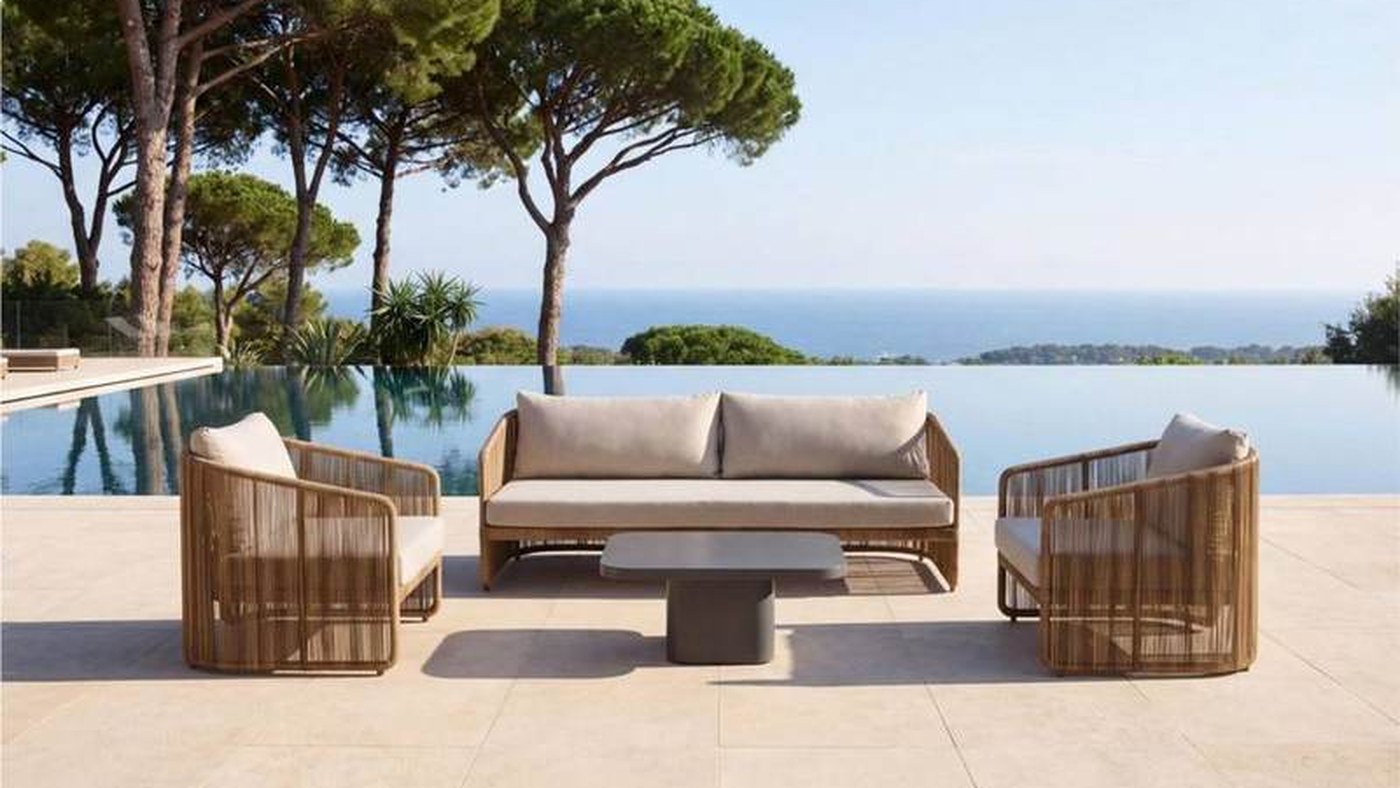
Why Germany is Europe's garden-furniture battleground
For any manufacturer selling into Europe, Germany is the market that sets the pace. Third-party estimates put the country's garden furniture market at roughly USD 3.2 billion in 2025 — around a quarter of the European total — though scope varies widely between reports, so treat that as direction rather than a precise figure. The harder numbers come from the German DIY and garden retail association (BHB): garden furniture sales through DIY and garden stores reached €278.4 million in 2025, down 1.6% year on year, and Q1 2026 was down 12.4%. That is one retail channel, not the whole market, but it tells you two things worth planning around: demand is substantial, and buyers scrutinise landed cost hard when the category softens.
This guide is written for a distributor, garden-centre chain or hospitality buyer who wants to source outdoor furniture Germany-bound without getting caught by compliance or freight surprises. It covers what German buyers specify, the three regulatory gates that actually block shipments, where volume moves, and how to plan a first container. Spoga+Gafa in Cologne remains the reference show for the trade, but the decisions that matter are made on spec sheets and packing lists.
What German buyers actually specify
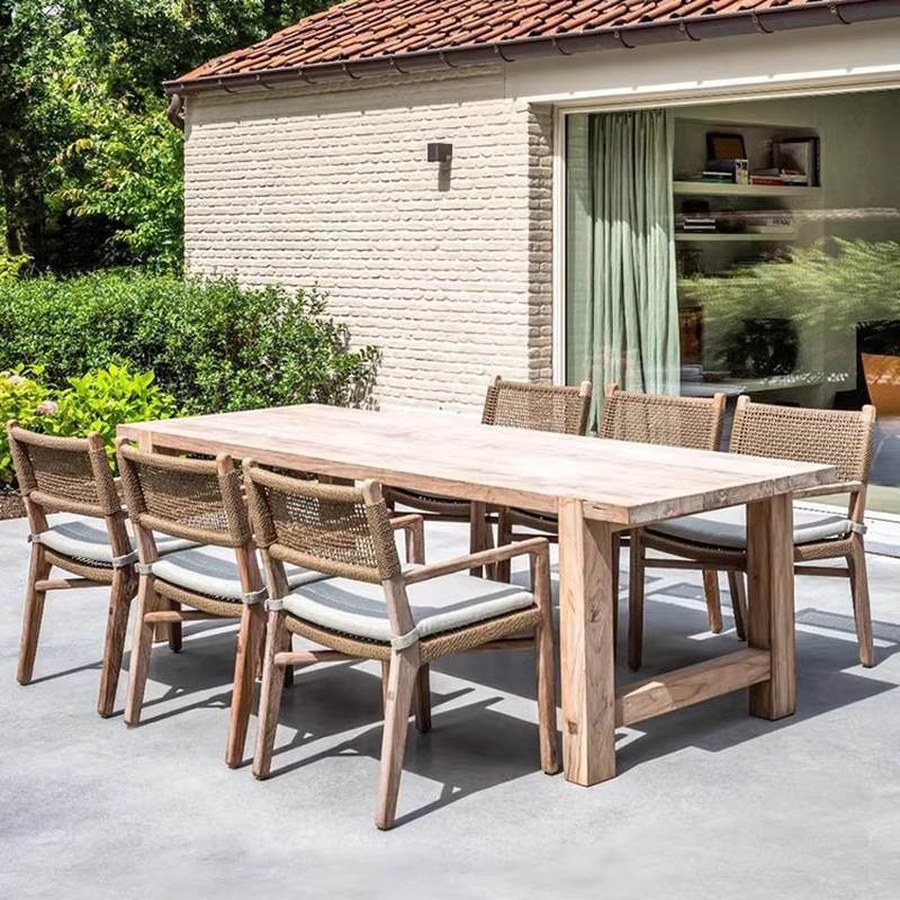
German specification culture is famously literal. Buyers here ask for named species, coating systems and test standards rather than mood boards. Start with the material story: teak for the premium garden and villa segment, powder-coated aluminium for volume and for balcony lines, and rattan wicker or rope for texture-led sofa set and dining set ranges. A credible supplier names the timber species and plantation source, quotes the coating in microns, and provides UV and colour-fastness data for the fabric — without being chased three times.
| Spec item | What a German buyer asks | What to hand over |
|---|---|---|
| Timber | Species, origin, drying method | Plantation teak paperwork, kiln schedule |
| Aluminium frame | Welding method, coating build | powder-coated finish spec, 60–80 µm target |
| Textile | UV and colour-fast rating | Named fabric, test report, quick-dry foam spec |
| Construction | Arrives ready to use? | fully welded one-piece frame, no on-site assembly |
Note the last row. German retail and contract buyers expect furniture to arrive ready to place — fully assembled frames, not flat-pack kits. Say so explicitly in your quotation and packing spec; it removes a whole category of downstream complaints.
Material mix that clears specifying
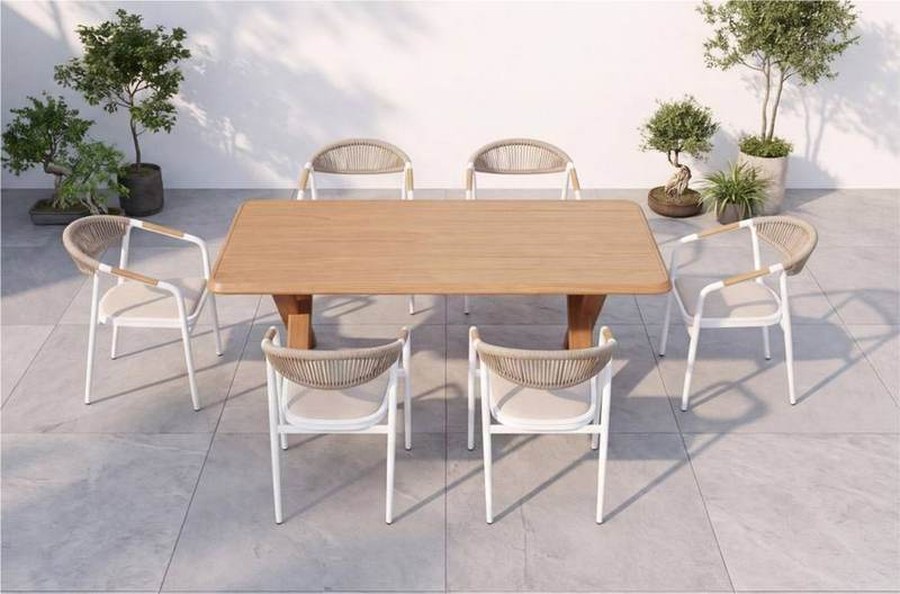
One useful way to read the market is by channel. Residential garden and patio programs lean timber and woven texture; hotel and resort projects lean aluminium and textilene because they clean fast and survive heavy turnover. The same supplier can serve both, but the SKU logic is different. Build a core range that crosses over — a teak dining set, an aluminium bistro set for small spaces, a sun lounger in powder-coated frames — and keep exotic finishes for the second order.
| Material | Best-fit channel | Buyer's main objection | Answer to prepare |
|---|---|---|---|
| Teak | Premium garden, villa, landscape projects | "Is it really plantation teak?" | Species and origin documents |
| Aluminium | Contract, balcony, poolside | "Will the coating chalk?" | Coating system and micron data |
| Rattan wicker / rope | Lounge and sofa set ranges | "Does the weave sag?" | Weave tension and frame spec |
| Textilene | Sling chairs, stackable lines | "How long does the sling last?" | UV rating and replacement sling supply |
A wholesale buyer will also want to know which lines are genuinely made in-house. If you weld your own frames and run your own powder-coated line, say it; if the weave is subcontracted, say that too. Honest answers survive an audit, vague ones do not.
The compliance gate: EUDR, LkSG and packaging

This is where Germany differs from many export markets, and where an otherwise good deal stalls. Three obligations matter, and none of them is a certificate you can simply buy.
EUDR. For EUDR compliance for furniture, the timeline now matters: under the revised EU deforestation regulation (Regulation (EU) 2025/2650), the main application date is 30 December 2026 for large and medium operators; most micro and small operators follow on 30 June 2027. The due-diligence statement is filed by the operator first placing the goods on the EU market — your German buyer — not by the overseas factory. What the buyer will demand from you is the underlying evidence: geolocation of the land where the teak was grown, harvest date, and a traceable chain of documents. Start collecting that data now, before the buyer's compliance team makes it a condition of the PO.
LkSG. Germany's Supply Chain Due Diligence Act has applied since 2023 to companies with at least 3,000 employees in Germany, and since 2024 to those with at least 1,000. Enforcement sits with BAFA, and fines can reach €8 million or, for larger undertakings, 2% of global annual turnover. The law is under review as EU-level due-diligence rules evolve, so confirm the current scope with your buyer's legal team — but assume a large German distributor will send you a supply chain due diligence questionnaire on labour, health and safety and environmental practice. Prepare factual answers and supporting records.
Packaging. Since 12 August 2026, German packaging rules sit under the EU PPWR and the new VerpackDG, which replaced VerpackG. The party first making packaged goods available in Germany completes Germany packaging law registration in the free LUCID register and contracts with a dual system such as Der Grüne Punkt to license paper, cardboard and plastic by weight. Foreign sellers with no German establishment now need an authorised representative. Importers normally carry this duty, but they will ask you to declare carton and wrap weights so they can report accurately — a good reason to keep packing lists precise.
| Gate | Who files | What the factory must supply |
|---|---|---|
| EUDR | EU operator (buyer) | Geolocation, harvest data, chain-of-custody records |
| LkSG | German company (buyer) | Supplier questionnaire, labour and H&S evidence |
| LUCID / dual system | First placer (usually importer) | Packaging material types and weights per shipment |
| Import VAT | Importer | Commercial invoice, correct HS classification |
Standard German import VAT is 19%, recoverable by VAT-registered businesses. Duty depends on the HS classification of each line, so have your broker confirm codes before quoting landed cost — do not guess.
Channels: where the volume moves
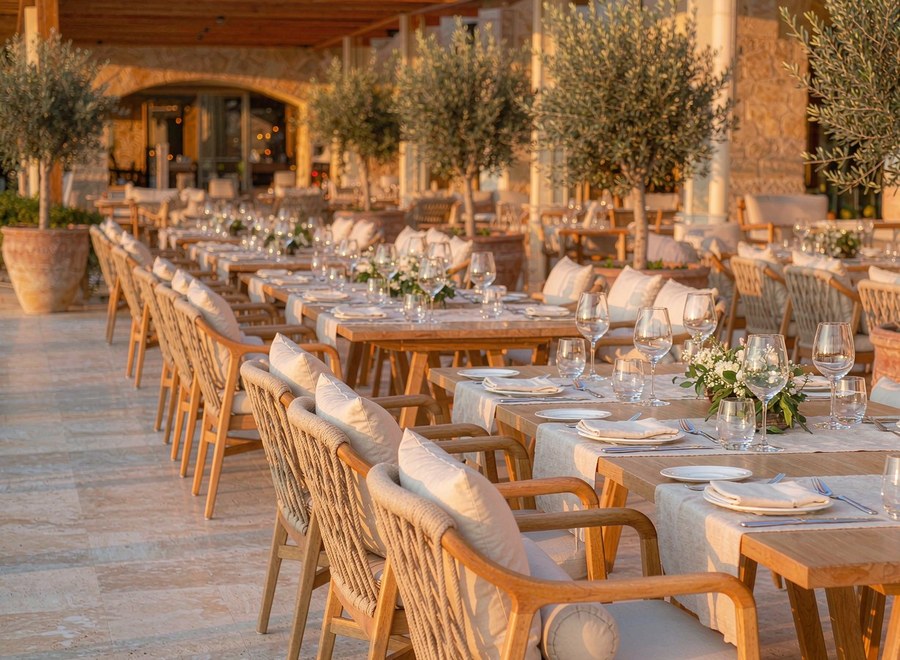
Three routes cover most garden furniture Germany volume. DIY and garden stores are the traditional volume engine, with the BHB €278.4 million channel figure as the reference. Online is smaller but growing: the German garden retail association (IVG) put e-commerce at 7.1% of garden retail excluding landscaping in 2025, up from 6.9% in 2024. The third route is contract — hotel, restaurant and resort projects that specify through designers and buy direct from a factory or its distributor.
Each route rewards a different offer. Retail wants a clean range card, barcoded packaging and reliable replenishment. E-commerce wants carton dimensions and damage-resistant packing, because one crushed corner becomes a return. Contract wants documentation and a named contact who answers spec questions in German or fluent English. Decide which route you are actually selling to before you build the catalogue; a generic "we do everything" pitch rarely converts in this market.
Container planning and landed cost
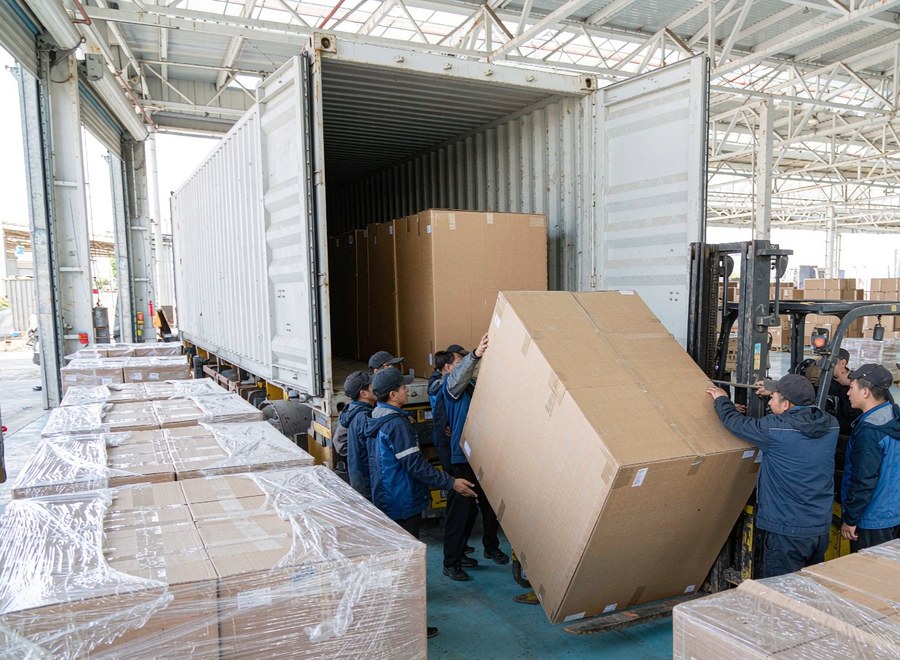
Compliance aside, freight is the number that decides whether a German order works. Fully assembled frames ship in fitted cartons or cradles rather than knocked-down flat packs, so cube efficiency comes from mixing lines carefully, not from stripping furniture down. A 40-foot high-cube container is the usual reference for a mixed container loading, but actual capacity depends on carton dimensions and how well a dining set, sofa set and parasol nest together.
| Line | Cube behaviour | Planning tip |
|---|---|---|
| Dining set | Bulky table top, chairs nest | Balance table count against chair cartons |
| Sofa set | High volume from cushions | Specify compressible, quick-dry foam |
| Sun lounger | Long, low-density frames | Pair with dense bistro set cartons |
| Parasol | Long poles, light weight | Check pole length against container door |
Ask your supplier for a packing list with carton measurements and a cube-utilisation figure before you commit. Combine a hero line with a dense one — a teak table with aluminium chairs, for example — and the per-piece freight falls. Leave the custom rope colour or bespoke finish to the repeat order: special runs raise MOQ and lengthen lead time on a first buy.
A first-order checklist
German buyers tend to move in disciplined steps rather than on impulse. A workable sequence for a first wholesale order looks like this:
| # | Step | What it protects |
|---|---|---|
| 1 | Agree spec sheet with named materials and coating data | Prevents substitute materials later |
| 2 | Order paid samples from the intended production line | Confirms finish and packing, not just a show piece |
| 3 | Request EUDR and supplier-questionnaire evidence | Keeps the buyer's compliance file complete |
| 4 | Confirm HS codes, duty and 19% import VAT with a broker | Makes the landed-cost quote honest |
| 5 | Approve a mixed-container packing list | Locks cube efficiency and MOQ |
| 6 | Inspect pre-loading, then ship | Catches damage before it crosses the sea |
Small balcony and bistro set lines are a sensible entry point: they are easy to sample, quick to replenish and let a buyer test the relationship before committing to a full resort program. Ask the factory which items are already in stock colours, what the real lead time is in peak season, and how spare parts such as replacement slings or cushions are supplied. Clear answers to those three questions matter more than a glossy catalogue.
PatioHue Outdoor manufactures fully assembled teak and aluminium contract furniture in Foshan for distributors and project buyers across Europe. Bring your spec and target container; we will return a packing plan and the documentation your compliance team needs.