
"Factory direct price" is the most searched phrase in outdoor furniture sourcing, and the most misunderstood. Buyers hear it as a promise of the lowest possible number; what actually arrives is a quotation. A factory-direct quote is not simply cheaper or dearer than a trader's — it is a different document, built on different assumptions, with different risks attached. The buyers who save money are the ones who learn to read the document, not the ones who chase the number.
This guide is for importers, hotel groups, resort operators, developers and retailers weighing a move to buying outdoor furniture direct from the factory. It covers what a complete quote contains, what the trade-terms line hides, where direct genuinely beats an intermediary, how to verify the factory is real, and the five questions to settle before a deposit leaves your account.
What "factory direct" actually removes
Between a production line in Foshan and your loading dock, furniture typically passes through two to five intermediaries. Each takes a cut: a sourcing agent commonly charges 3–8% of order value, a trading company typically marks up the factory price by 10–30%, and a domestic wholesaler at destination can add another 15–30%. Buying direct strips the first two layers out of your unit price.
There is a second effect that matters more. Intermediary markups sit inside the customs value. When a trader's 25% markup is dutiable, you pay duty on the trader's profit — and in markets carrying additional tariffs on Chinese furniture, that markup is taxed again on top. A direct quote makes the dutiable value visible, and a visible value is a negotiable value.
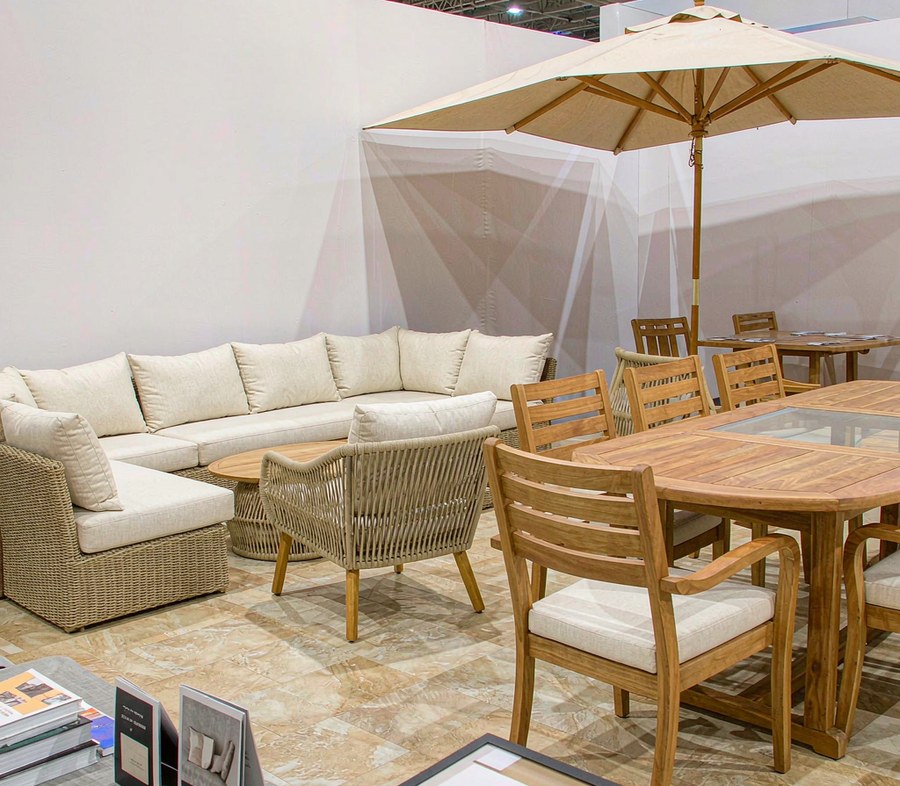
The booth at a trade fair is where many "factory direct" relationships actually start — and where the same sofa set, dining set or market parasol can be quoted at three different prices in one afternoon. Treat any quote received at a fair as an opening position, not a factory-direct price, until you have seen the line-by-line breakdown below.
Anatomy of a real factory quote

A quote that reads only "USD 14,800 per 40HQ, sun loungers" is a number, not a quotation. A complete outdoor furniture quotation breakdown has ten lines, and every missing line is where cost hides later:
| Quote line | What it must state | Red flag |
|---|---|---|
| 1. Product ID | Model codes, dimensions and finish codes per SKU | "As per catalogue photo" |
| 2. Materials | Teak grade (heartwood vs sapwood), aluminium alloy and wall thickness, rope or rattan wicker type, cushion fabric class | "Premium materials", "standard wood" |
| 3. Hardware | Stainless grade at joints (304 inland, 316 coastal), anchor and foot specification | "Stainless steel" with no grade |
| 4. Construction | Fully assembled vs flat-pack; joinery method; what assembles on site | Silence on assembly |
| 5. Packing | Carton dimensions, pieces per carton, CBM per set, wrapping | "Standard packing" |
| 6. Trade terms | EXW / FOB / CIF with a named port | "Best price" with no terms |
| 7. Lead time | Production days, counted from sample approval or deposit | "30 days" with no start point |
| 8. MOQ | Per SKU and per order, with mixed-container rules | "Negotiable" |
| 9. Payment | Deposit percentage; what releases the balance | 100% prepayment |
| 10. Validity | How long the price holds; raw-material re-quote clause | No expiry date |
Read the packing line hardest. Packed volume decides freight, and freight is often the largest single line in a landed-cost model: fewer cubes per set means more sets per container loading, and a set that ships forty percent air is a discount in disguise.
The trade-terms line: EXW, FOB and CIF are three prices
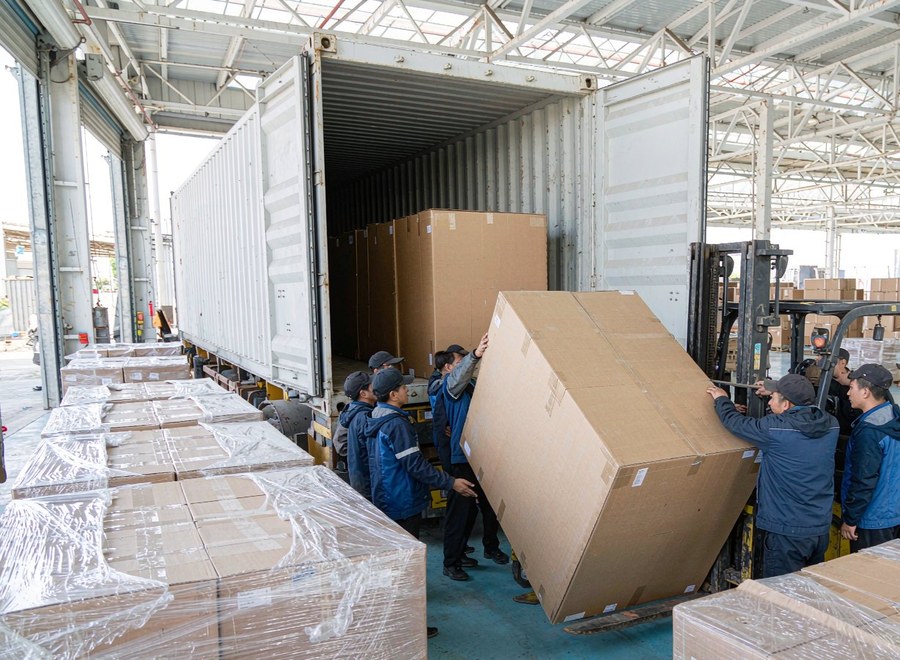
The same factory, the same teak dining set, three different numbers. EXW covers the goods at the factory gate — from there you pay inland haulage, export clearance, terminal handling and ocean freight. FOB adds loading aboard the vessel at the named port; quotes from Foshan factories are usually issued FOB Shenzhen or FOB Guangzhou. CIF adds freight and marine insurance to the destination port — but not import duty, VAT, customs clearance, or delivery to your site.
The working rule: never compare quotes in different terms. Convert every quote to landed cost — goods, freight, insurance, duty, VAT, inland delivery — before choosing. A CIF price that sits 6% above an FOB price can be cheaper once your own booking is added, or more expensive if the supplier's forwarder margin is buried inside it. Ask which forwarder, and whose rate card, before you accept a CIF number.
What factory direct does not remove
Direct buying removes intermediaries, not obligations. The landed cost of your container still contains duty, VAT, freight beyond the destination port and installation — the hidden costs of importing outdoor furniture do not appear on any factory quote. Direct does not remove quality risk: without a trader's QC layer, you either build your own inspection step or carry the risk yourself. And MOQs run higher — a factory needs full containers or meaningful per-SKU volumes to fire a line, where a trader can pool your first test order with someone else's.
| Factory direct | Trading company | Sourcing agent | |
|---|---|---|---|
| Unit price | Factory line | Factory line +10–30% | Factory line +3–8% fee |
| MOQ | High; container-scale | Flexible; pools orders | Flexible |
| Quality control | You arrange it | Their process, variable | You commission, they manage |
| Communication | Direct, slower | Fluent English, fast | Fluent, works for you |
| Best for | Repeat volume, OEM, private label | First orders, mixed categories | Custom or multi-factory programmes |
The honest answer to the factory direct vs trading company question is that it depends on order stage. Below factory MOQ, or when one container mixes teak sofa sets, aluminium dining sets and rattan wicker pieces from different lines, a trader's coordination can be worth the markup. At repeat volume with a stable spec, direct wins on price and on the speed of engineering changes.
Build the inspection step into the order, not the budget. The standard pattern is an in-line inspection when 30–40% of production is complete — early enough to correct a systematic defect — and a pre-shipment inspection at 80–100% of the run, sampled against AQL levels: zero tolerance for critical defects, 2.5 for major, 4.0 for minor. An inspector day is inexpensive against a container of wrong goods, and the passed report is the document that should release your balance payment.
How to verify the factory is real
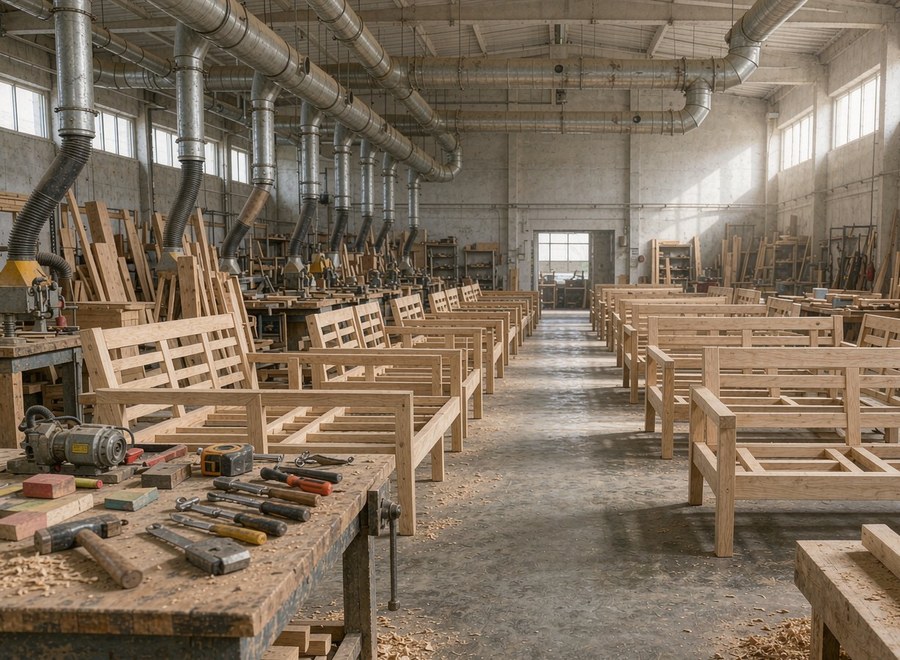
"Factory" on a website is a claim, not a fact. Six signals answer how to verify an outdoor furniture manufacturer before you commit:
- A business licence whose registered scope includes manufacturing, not just sales or trading — ask for the number and check it.
- Production video of the actual line for your category: teak frame assembly, aluminium welding, rope weaving. A workshop that covers only one of your product families is a partial factory.
- Third-party audit reports where they exist (BSCI, Sedex, ISO) — and honesty about which they don't have.
- Named reference projects or wholesale customers, ideally contactable.
- Years of export history on the platform where you found them; a new account with a deep catalogue is a trader signal.
- Spec answers to spec questions: a manufacturer's sales engineer replies to a joinery question with a construction detail, not a brochure.
Red flags: showroom photos only, refusal of a live video call, a quote dramatically below the market band, or pressure for a deposit before the golden sample is approved.
Five questions before the deposit
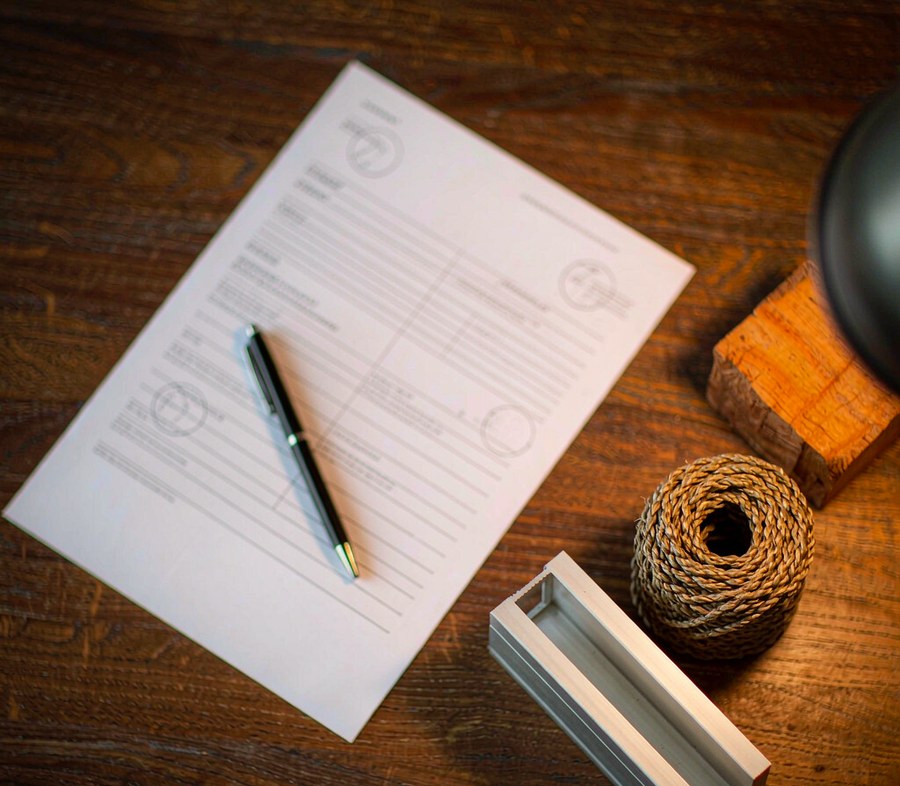
- How long is the quotation valid, and what happens to my price if teak or aluminium moves? Ask for a raw-material re-quote clause rather than a vague promise.
- Is the quoted price tied to the current packing specification — and what does a packing change cost? Carton changes after an order is placed are a classic budget leak.
- Are spare-part and reorder prices the same as the first order? Get wholesale reorder pricing for cushions, rope sections and slings in writing before you sign.
- What document releases the balance payment — the B/L copy, a passed inspection report, or both?
- What happens after delivery: warranty on frames, availability of replacement cushions and canopies mid-season, and who pays return freight on a confirmed defect?
The buyer's version, in one paragraph
An outdoor furniture factory direct price is worth chasing when you can verify the factory, read the quote, hold the quality line yourself and order at container scale. It is worth paying a premium to skip when you are placing a first order, mixing categories, or need a single accountable party for quality. Either way the discipline is the same: compare quotes on landed cost, in writing, with the ten lines above — and settle the five deposit questions before any money moves.