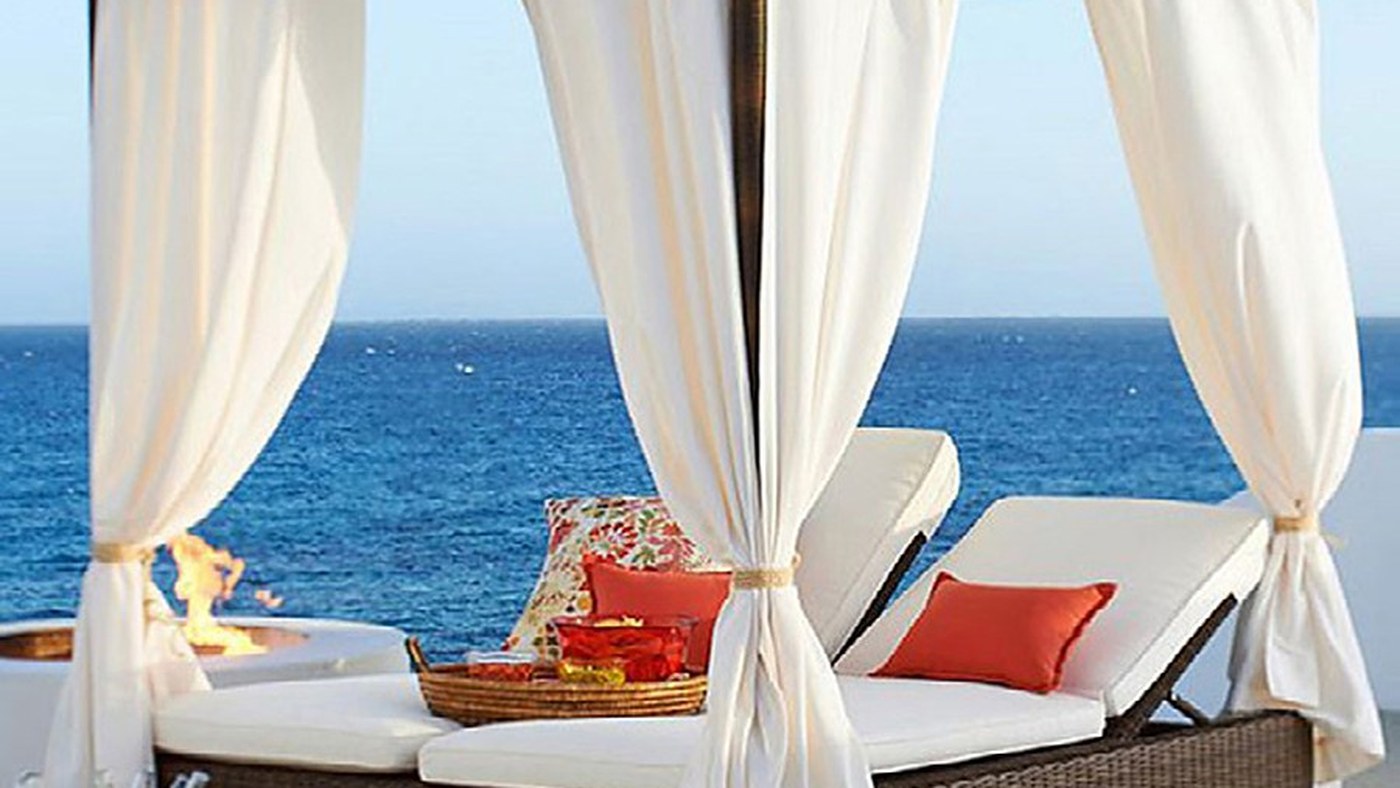
Glamping sells a promise: nature without the compromise. Guests pay a premium to sleep under canvas or in a pod and still expect a proper bed, a good coffee spot and a deck worth photographing. Furniture is where that promise becomes visible. A plastic folding table beside a safari tent reads as an oversight; a considered teak and rope setting reads as a curated experience. For buyers specifying glamping site outdoor furniture, the challenge is not finding attractive pieces — it is choosing furniture that survives remote, exposed sites and still looks right in booking photos. This guide covers how to build a furniture schedule for glamping, select materials by exposure, and write a sourcing brief a manufacturer can quote accurately. It is written for resort owners, project buyers and distributors sourcing outdoor furniture for glamping sites who need a specification that holds up beyond the showroom.
Start with the site, not the catalogue
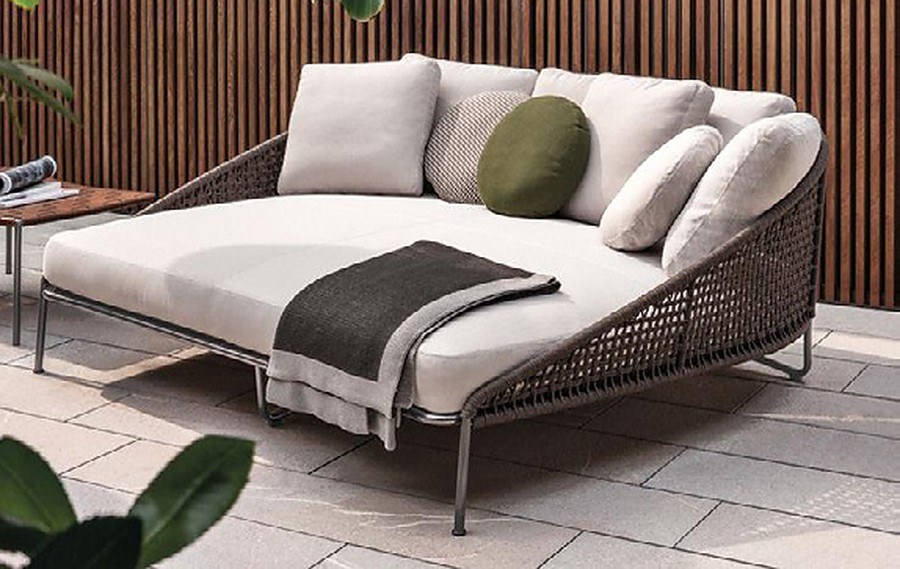
Build a furniture schedule by zone before you choose products. Private tent decks, communal lounges, shared dining areas and viewing points share a design language but do very different jobs. A private deck may only need two lounge chairs and a table large enough for breakfast; a family pod needs extra seating without blocking the entrance. Shared areas must fit groups and let housekeeping reset them fast between bookings. For each zone, write down what guests should be able to do — read, eat, socialise, watch the view — then work back to seat height, back support, table size and whether cushions are needed. A low lounge chair feels relaxed beside a fire pit but awkward at a dining table.
A practical schedule lists each zone, the activities it supports, the pieces required, the quantity per unit and any site-specific constraint. For a ten-unit site that might mean two loungers and a small table per private deck, one communal dining set for ten, a fire-pit seating cluster and a pair of daybeds at the view point — roughly the same count repeated across every unit so spares stay interchangeable. Multiply per-unit quantities by the number of pods, then add a small percentage for replacements. This is the document a glamping furniture supplier can price accurately; a rough mood board cannot.
Then record the operating constraints. Note direct sun, wind-driven rain, humidity, airborne salt and seasonal storage for each area, plus everyday deposits like sand, leaves and pollen. Ask the team how often furniture can realistically be cleaned and where wet cushions can dry. Crucially, check the access route: a piece that arrives easily at reception may still have to travel along a narrow boardwalk or up steps to reach a tent deck. Measure that route before you order.
Size glamping tent deck furniture to the real footprint
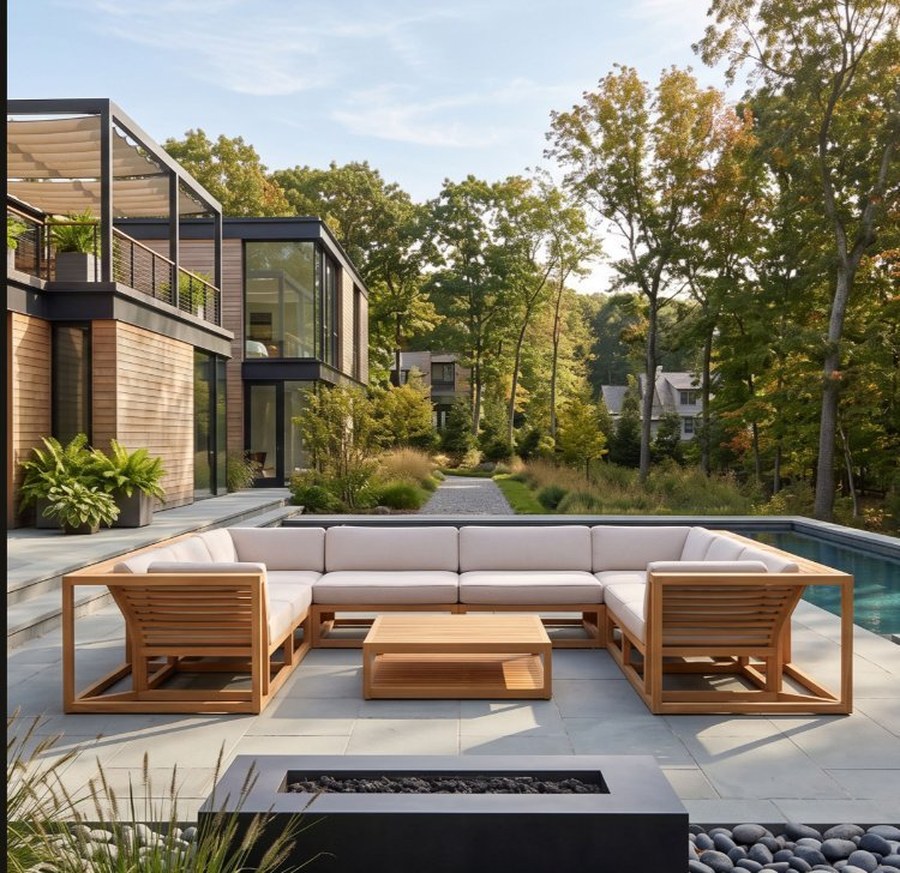
Assess every piece on a scaled layout using actual dimensions, including the space guests need to pull out chairs, walk around tables and carry luggage to the door. For reclining pieces, check the footprint with the backrest fully lowered; for swivels and rockers, allow the full range of movement. Keep furniture clear of tent closures, door swings, steps and access routes — and never rely on a single universal clearance figure, because the right gap depends on the furniture, the path and the users. Before approving a large order, mark the arrangement out on a real deck or build a full-size mock-up and test it with people seated, tables in use and staff cleaning around them. Safari tent patio furniture in particular gets installed on platforms that were built for the tent first, not for a seating layout, so measure the deck rather than assuming a standard width.
Pay attention to how feet meet the surface. Narrow glides or an unsuitable base can catch on deck-board gaps or sit unevenly on a sloping platform. Trial a sample on the actual decking. Confirm whether glides are replaceable and whether tables can be levelled without improvised packing. Weight needs context too: light pieces move easily between units but need a wind procedure on exposed sites, while heavy pieces complicate housekeeping and seasonal storage.
Match materials to exposure and maintenance capacity
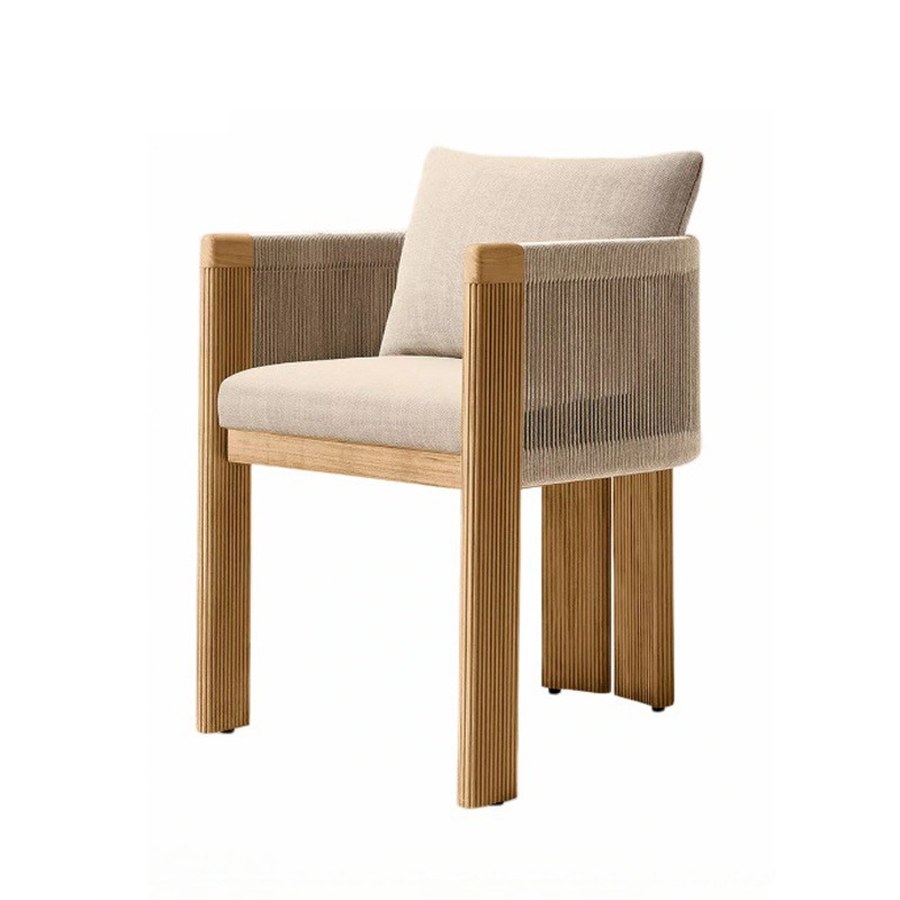
Specify the complete product — frame, surface, finish, connections, cushions and floor-contact parts. A convincing material description does not tell you how the assembled chair performs. Use this comparison to shape your supplier questions.
| System | Where it fits | Confirm with supplier |
|---|---|---|
| Teak and other specified woods | Private decks, dining, natural-look settings | Species, sourcing documents, joinery, finish, care instructions, expected silvering |
| Powder-coated aluminium | Lightweight lounge and dining frames, exposed decks | Alloy, weld quality, coating specification, drainage, repair finish |
| Synthetic (PE) wicker | Woven lounge and dining texture | Polymer, strand profile, supporting frame, weave attachment, UV evidence |
| Outdoor rope | Modern lounge and bar seating | Fibre specification, drying behaviour, tension and attachment |
| Outdoor cushions | Comfort across seating groups | Fabric code, filling, cover construction, drainage, drying and storage |
Be specific about wood: agree the species and finish rather than accepting "natural hardwood", and ask for written guidance on cleaning and maintenance. Distinguish synthetic wicker from natural rattan — a woven look does not identify the material, and the two should not be treated as interchangeable outdoors. For aluminium, inspect sample welds, finished edges and the underside of seats where coating coverage is less visible. Treat cushions as a system: water resistance at the fabric surface does not establish how the whole cushion drains and dries after rain.
Remote sites change the arithmetic. A glamping operator with no on-site maintenance staff cannot rely on furniture that needs frequent oiling or coating. Ask what the finish requires over a season and whether a damaged component can be replaced without discarding the whole piece — spare glides, cushion covers and inserts matter more here than in a city hotel.
Substantiate the sustainability story
Earth tones, woven textures and timber finishes create a landscape-sensitive look, but they do not prove responsible sourcing. If your site markets itself on eco credentials, turn broad claims into specific questions: which material contains recycled content, what percentage, and what documentation supports it? For certified wood, confirm the chain-of-custody documentation attached to your particular products, not just a general company statement. Ask for evidence matched to the proposed items and keep it on file — it is the difference between a credible claim and a greenwashing risk.
Plan delivery for a remote site
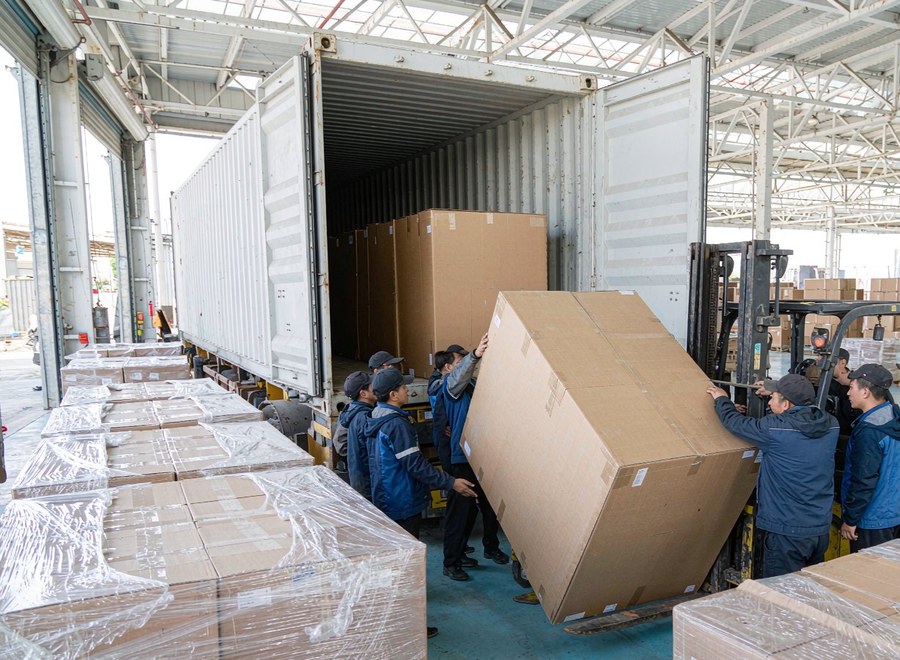
Packaging and replacement planning deserve a line in the specification, not an afterthought. Confirm protection for corners, tabletops, coated frames, woven surfaces and cushions, and define whether pieces are nested or individually packed. Label each carton with item codes, quantity and handling orientation so a small team can sort deliveries without unpacking everything. For remote resorts, also consider how boxes move through doors, lifts and service paths. Ask the factory for a packing description or photos of a representative carton before production, and agree the replacement-parts list up front.
Questions to put in the sourcing brief
- Which zone is each piece for, and what are the exact dimensions and access constraints?
- What is the full material and finish specification for each product, with a signed sample?
- How does the finish perform under the site's sun, rain, salt or pool exposure?
- How quickly do cushions drain and dry, and can covers be ordered separately?
- What documentation supports the wood or recycled-content claims?
- Which spare parts are stocked, and what is the reorder lead time?
- How is each carton labelled and protected for a remote-site delivery?
Glamping furniture has to do two jobs at once: hold up in a real outdoor environment and look considered in a photograph. Get the zone plan and exposure notes right first, specify materials by evidence rather than appearance, and settle the service parts before production. At PatioHue, our teak, aluminium and rope ranges leave the Foshan factory fully assembled with welded one-piece frames, and we can group packing by zone — practical details that matter when the nearest town is an hour away.